KU Leuven
International Master of Architecture
International Master of Architecture
Design Studio: CIRCULAR BXL | Craftsmanship Engagement
Project Location: Brussels, BelgiumProject Year: 2019-2020 Fall Semester
Design Team: Anamaria Lazar Merve Özgür Vitor Breder
Tutors: Catherine Mengé, Laurens Bekemans
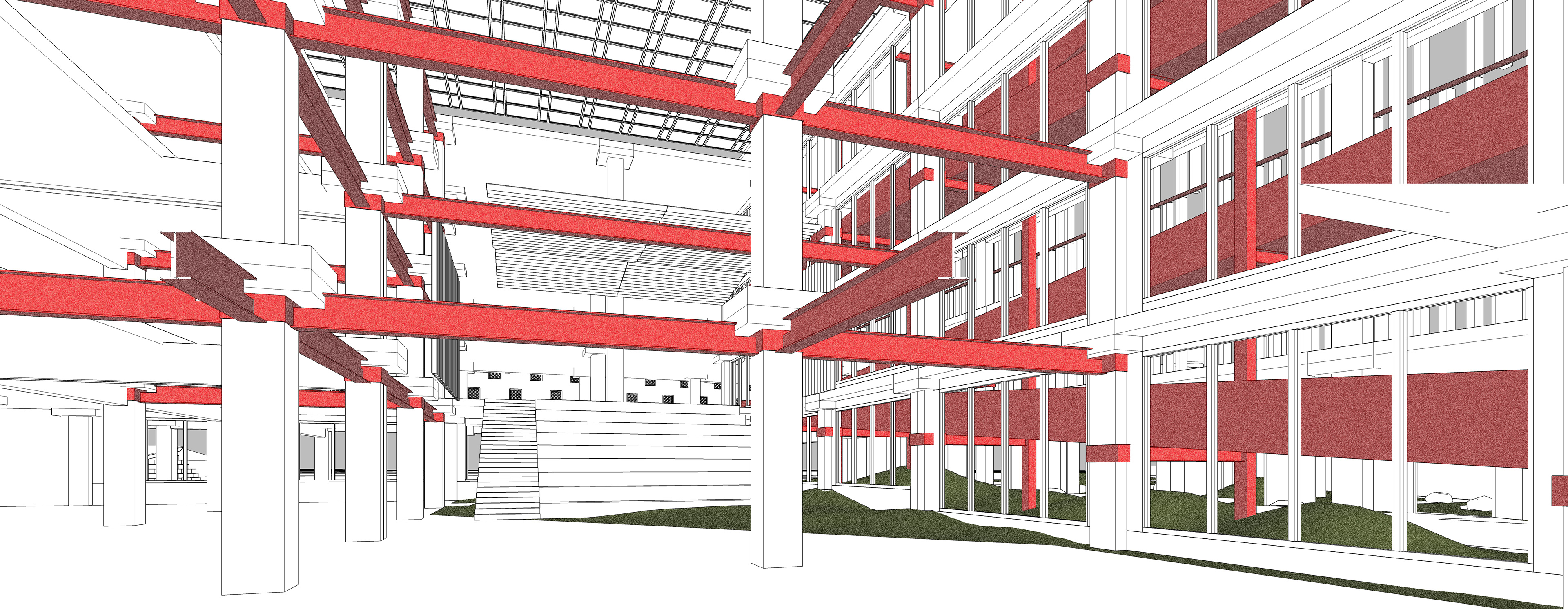
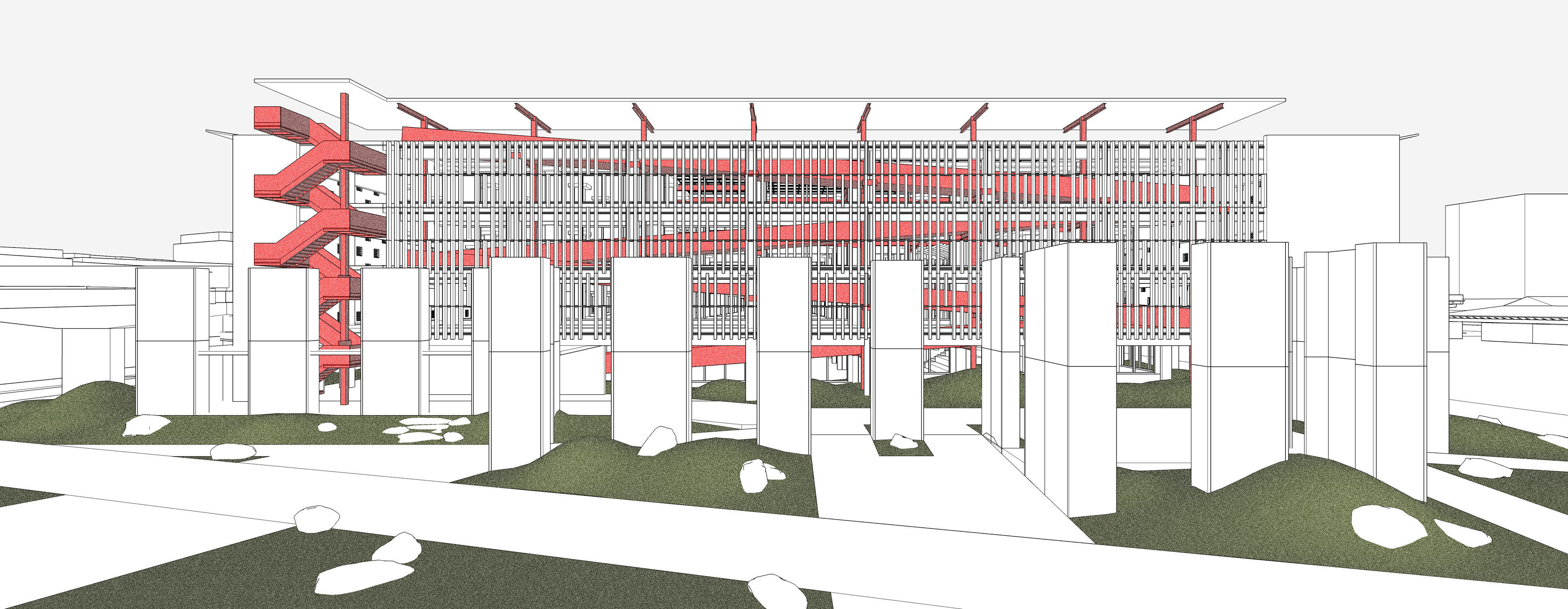
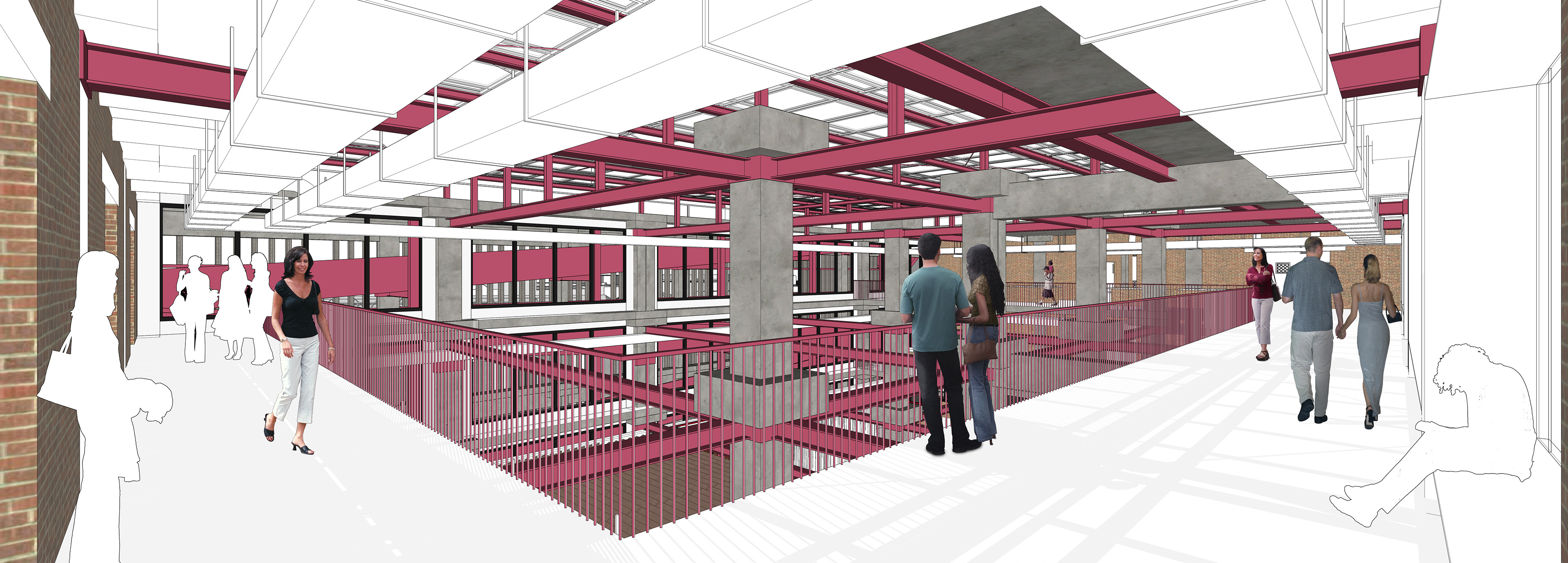
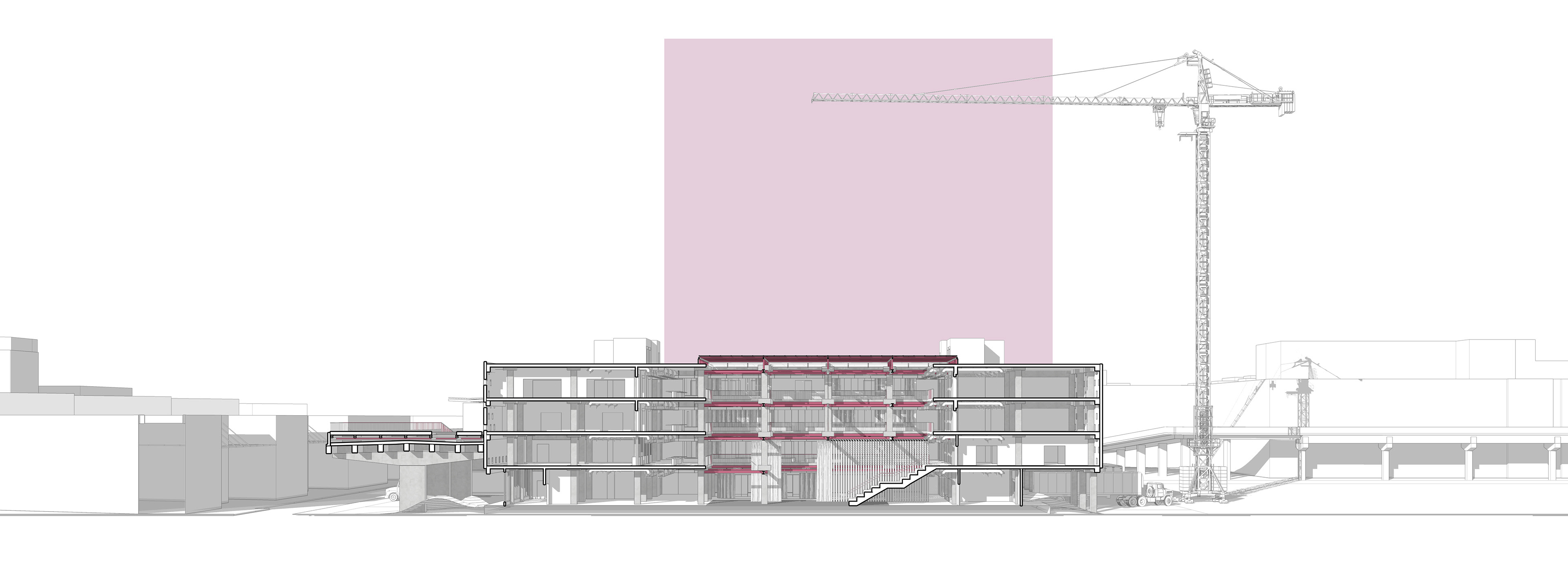
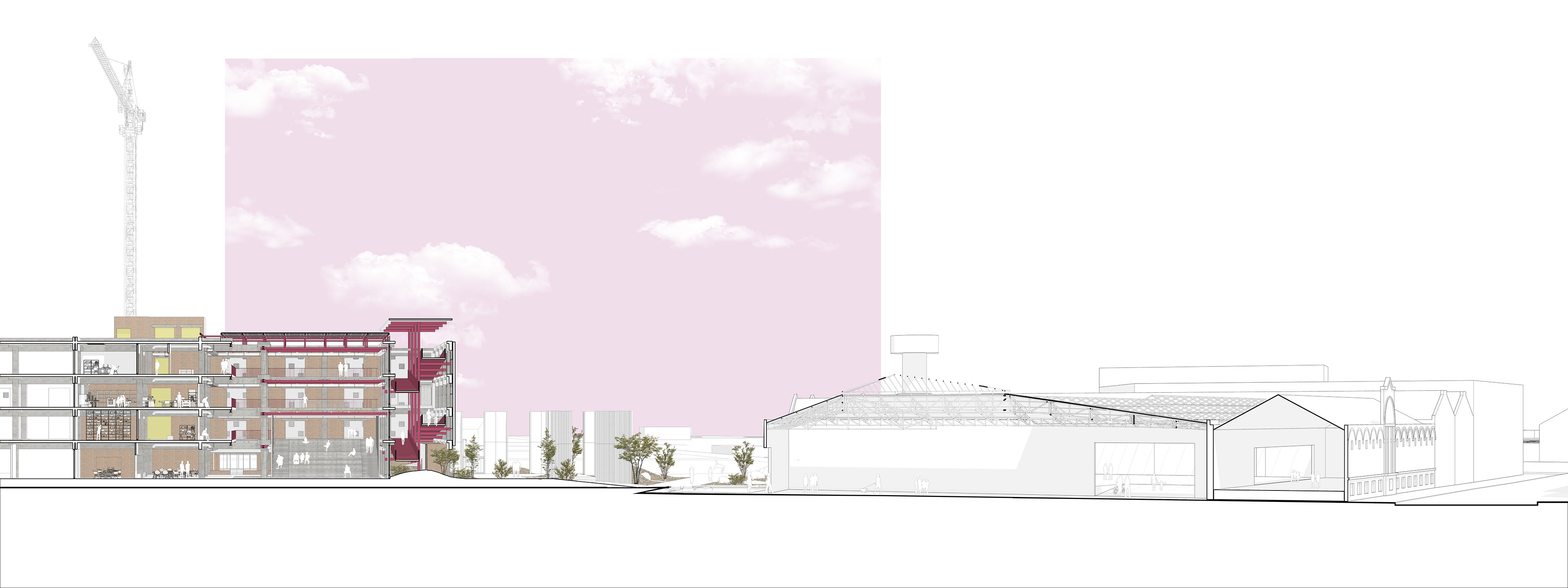
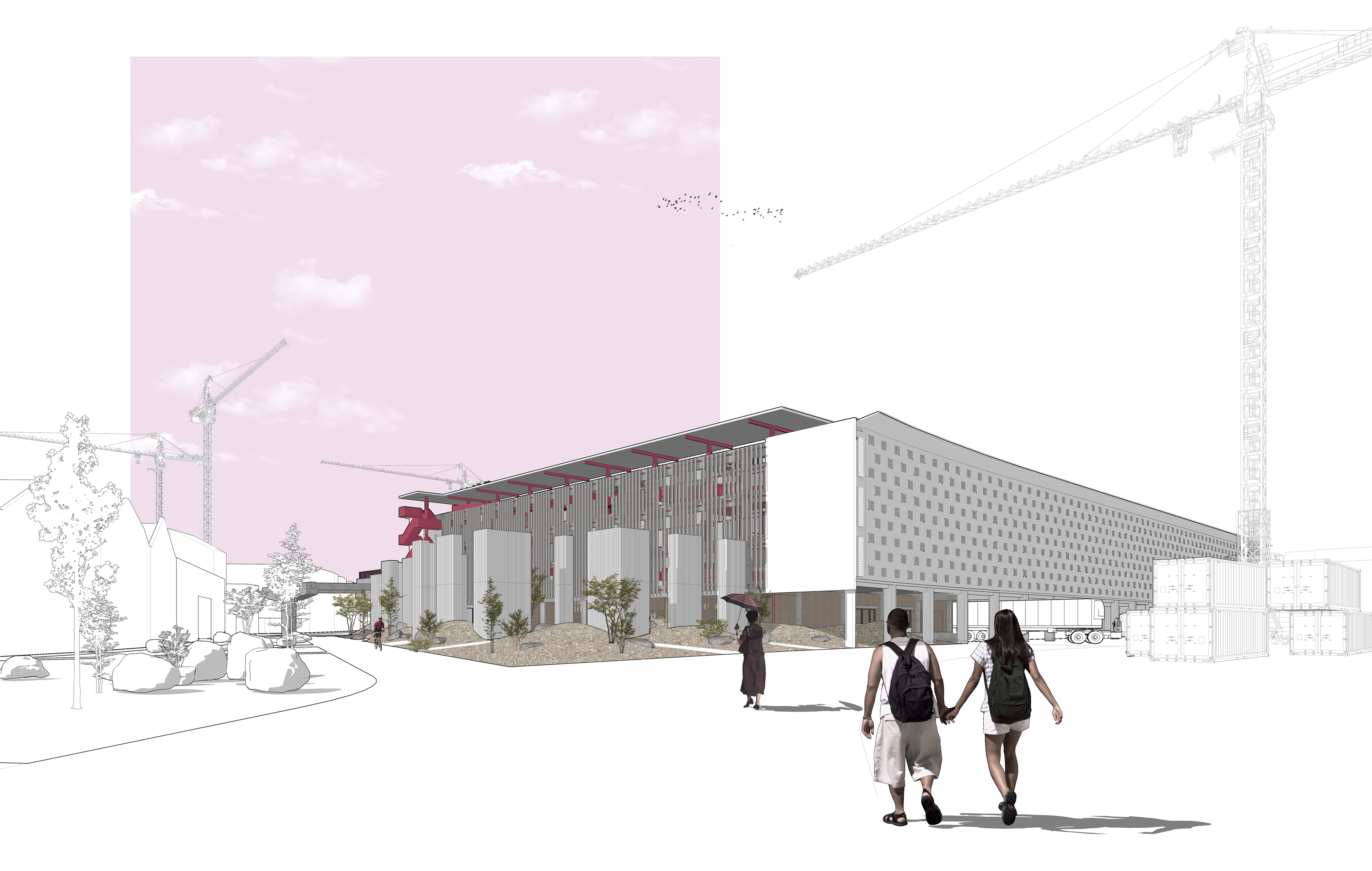
The studio's subject is to see the city of Brussels as a material resource, with the common theme of "circular economy". Within the scope of the studio, the C building with a history of approximately 100 years, which is currently used as a warehouse and logistics function, and its surroundings in the Tour & Taxis area, which is located in the canal area that forms the industrial structure of Brussels, were requested by the executors to be redesigned with office functions in a way that will extend its life for another 100 years. The team's response in this framework is to see the structure as a material resource and to treat it as a mechanism that meets the new spatial needs.
Research-Based Design
Adaptive ReuseCircular Economy
Reuse In-situ
Ecological Demolition Strategy Development
Social and Societal Integration Planning in Industrial Areas
Co-working Space Design
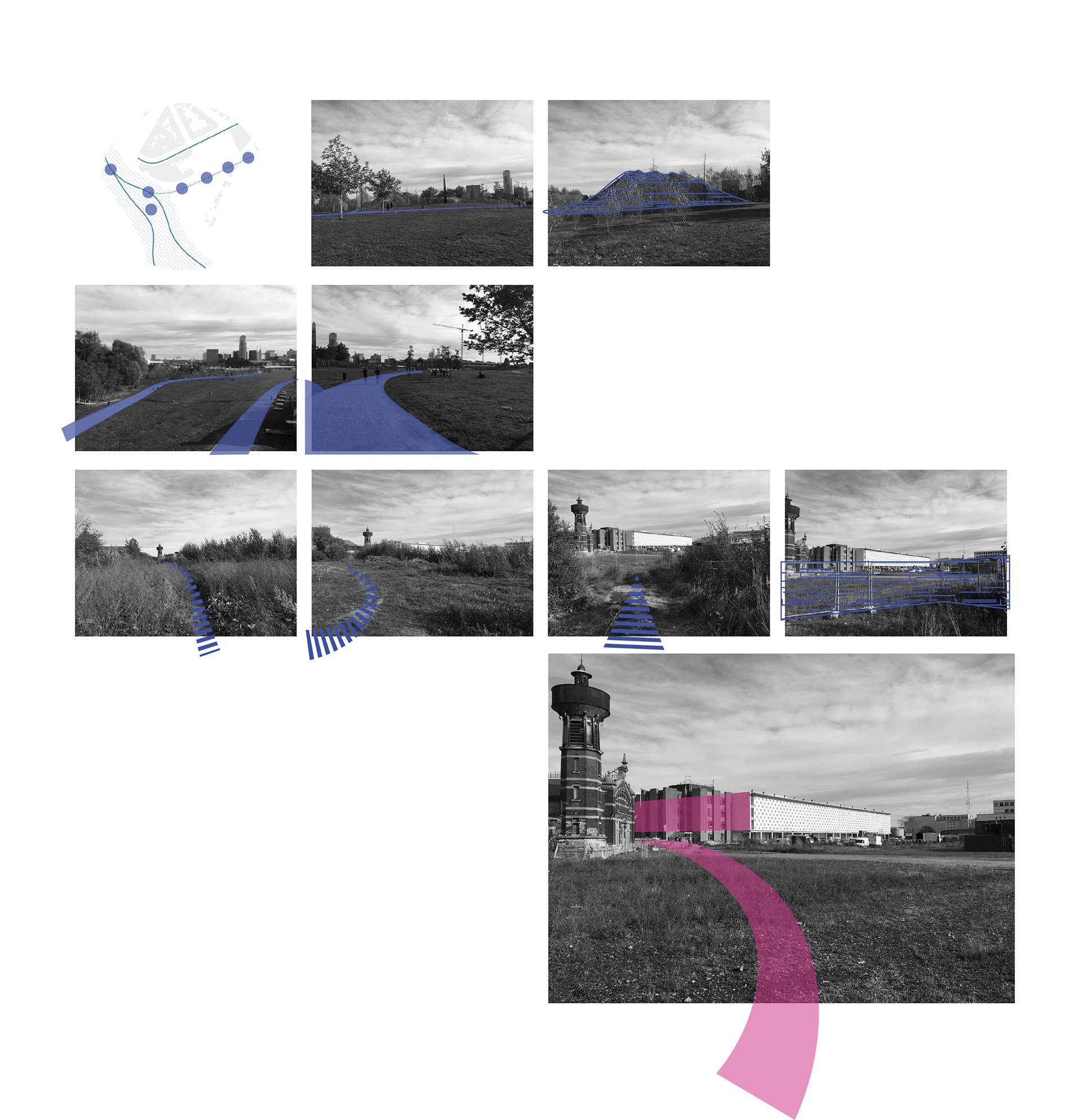
The TIR Center site sits at the crossroads of industrial, residential, and public service areas, necessitating a strong connection between the building and the surrounding streets and public spaces due to heavy vehicle traffic and pedestrian activity.
Within the Parc Tour & Taxis area, part of the ongoing Canal Plan aimed at linking various nodes via the canal, connectivity is crucial. Detaching Rue Dieudonné Lefèvre from the park by the TIR Center is significant. Currently, a path extends from the park to the site's fences, highlighting the pressing need to link the park with the street. The park serves as a vital green space amidst the urban landscape, with a muddy, informal path reflecting people's desire to connect with the other side. Considering this context, prioritizing the relationship with immediate surroundings emerges as a natural imperative.
Social and Spatial Context
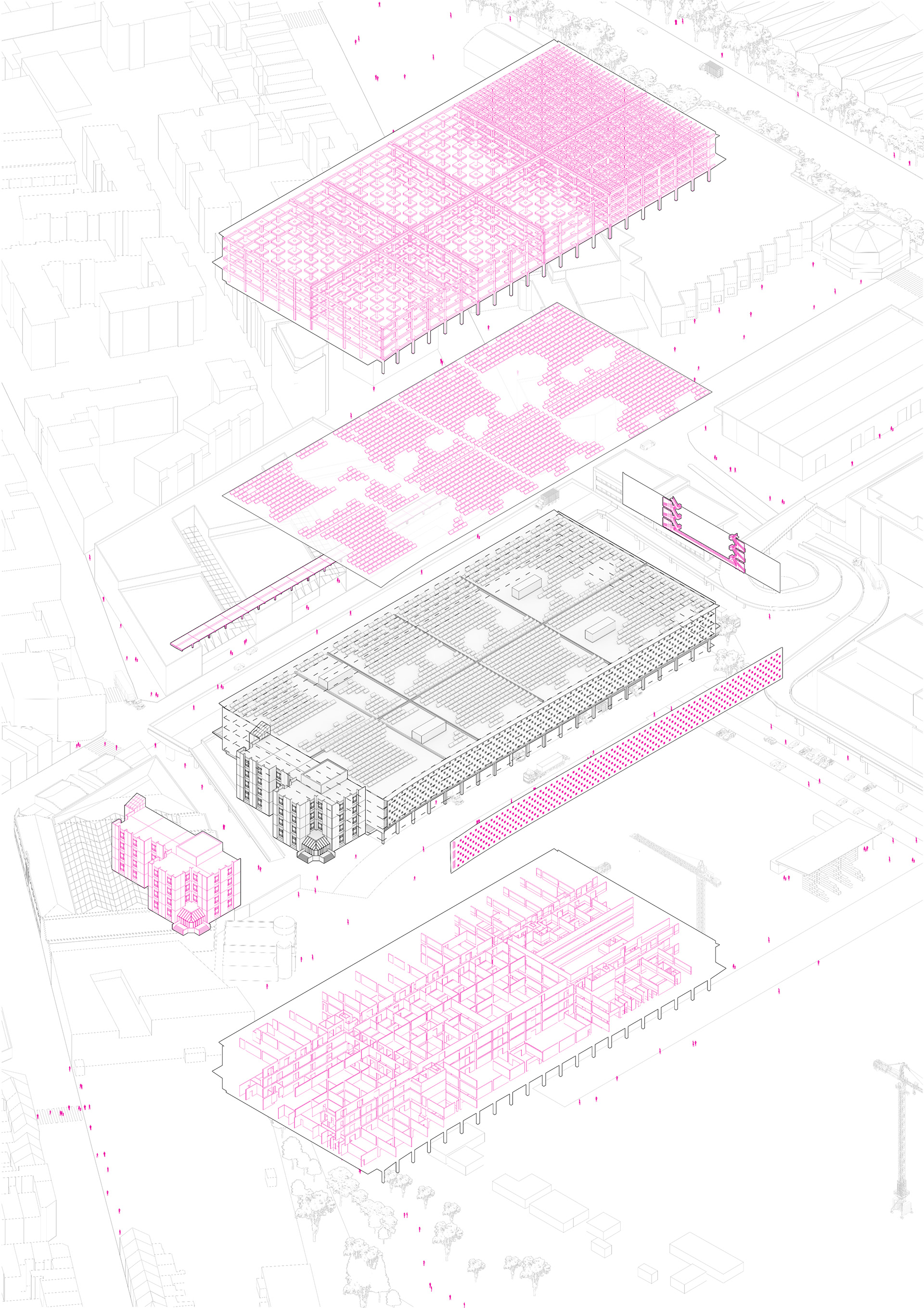
Existence as a Resource, Destruction as a Method of Construction
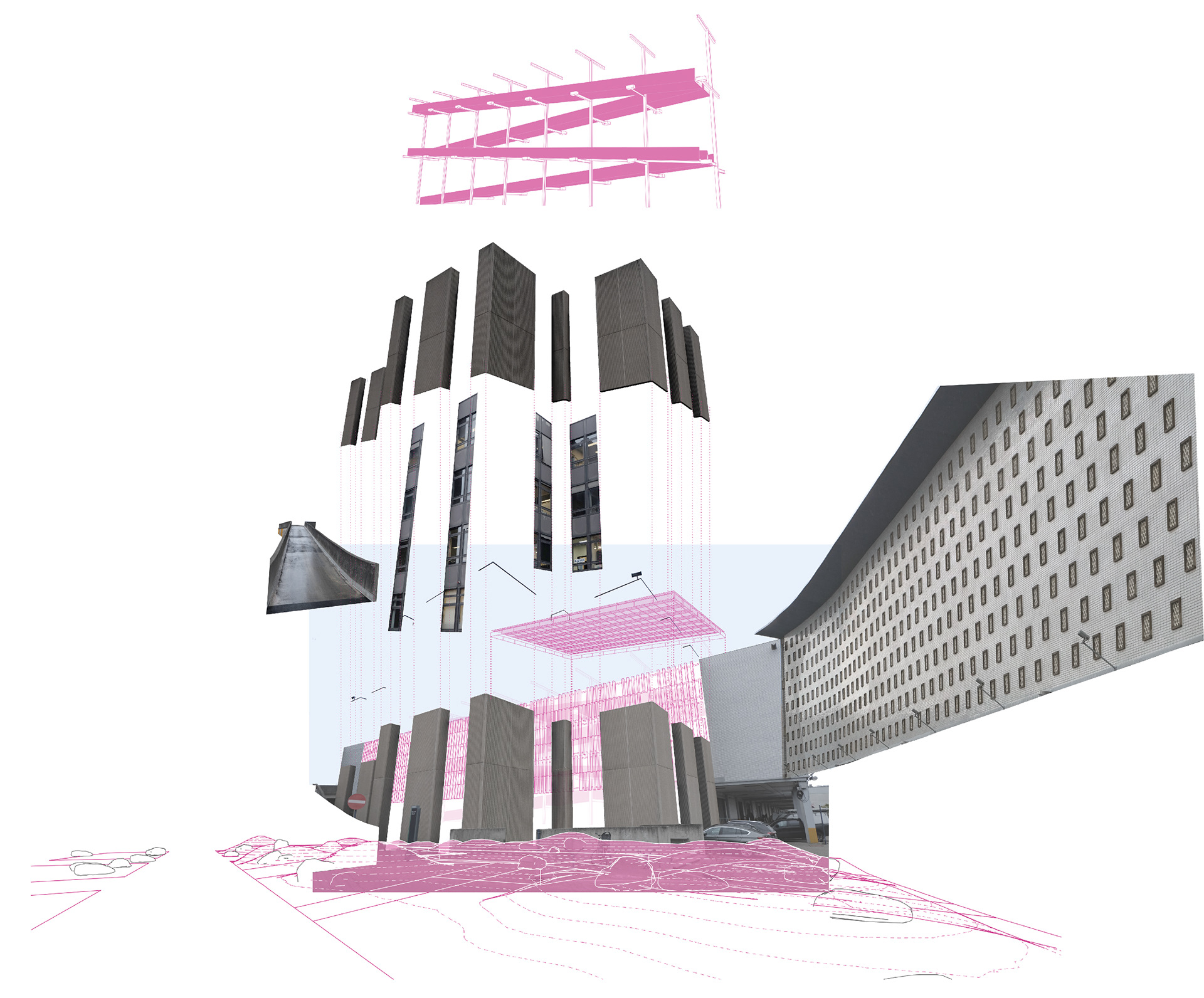
Interventions on Current
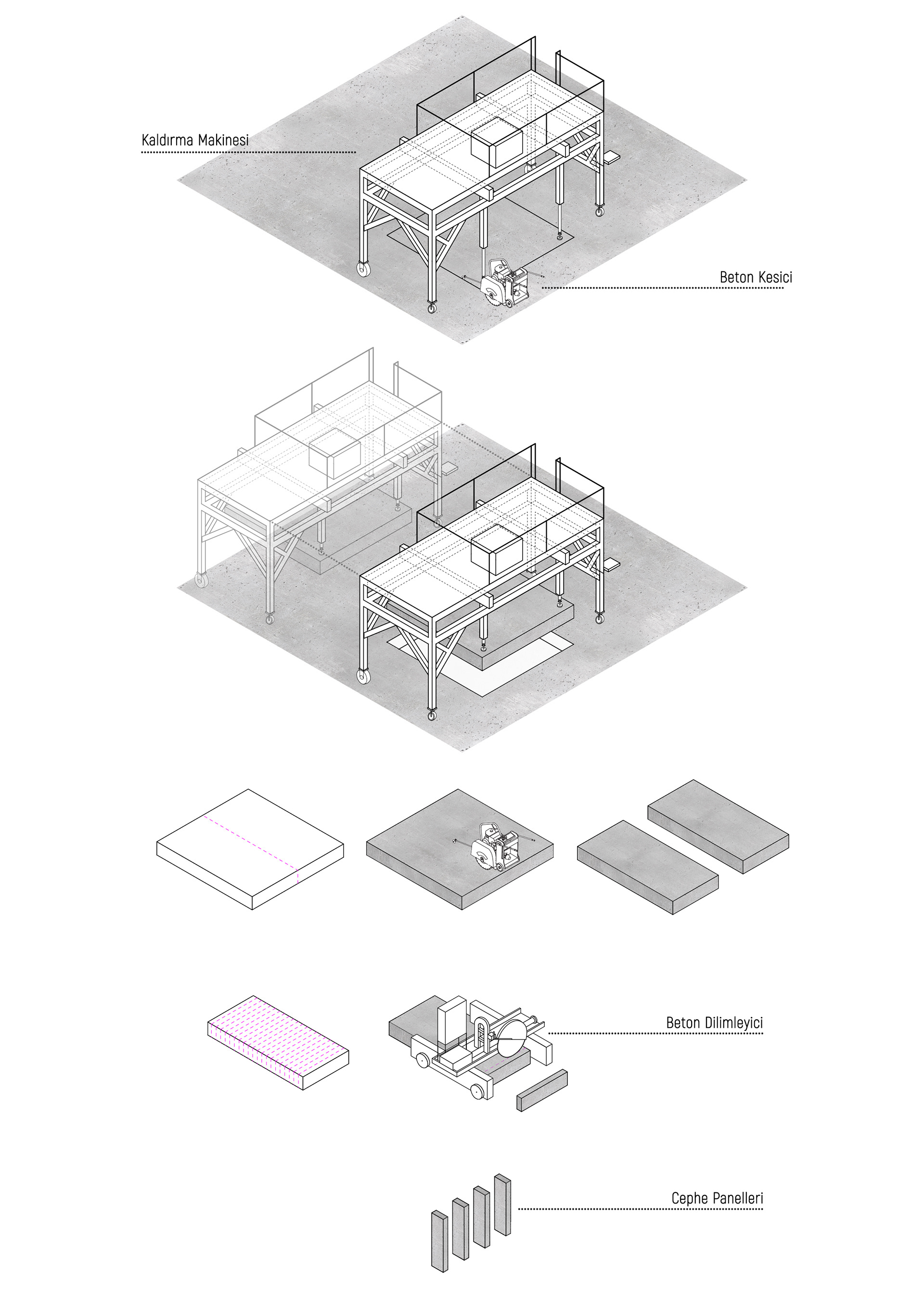
Mevcut Döşemelerin Yıkılma ve İşlenme Stratejisi
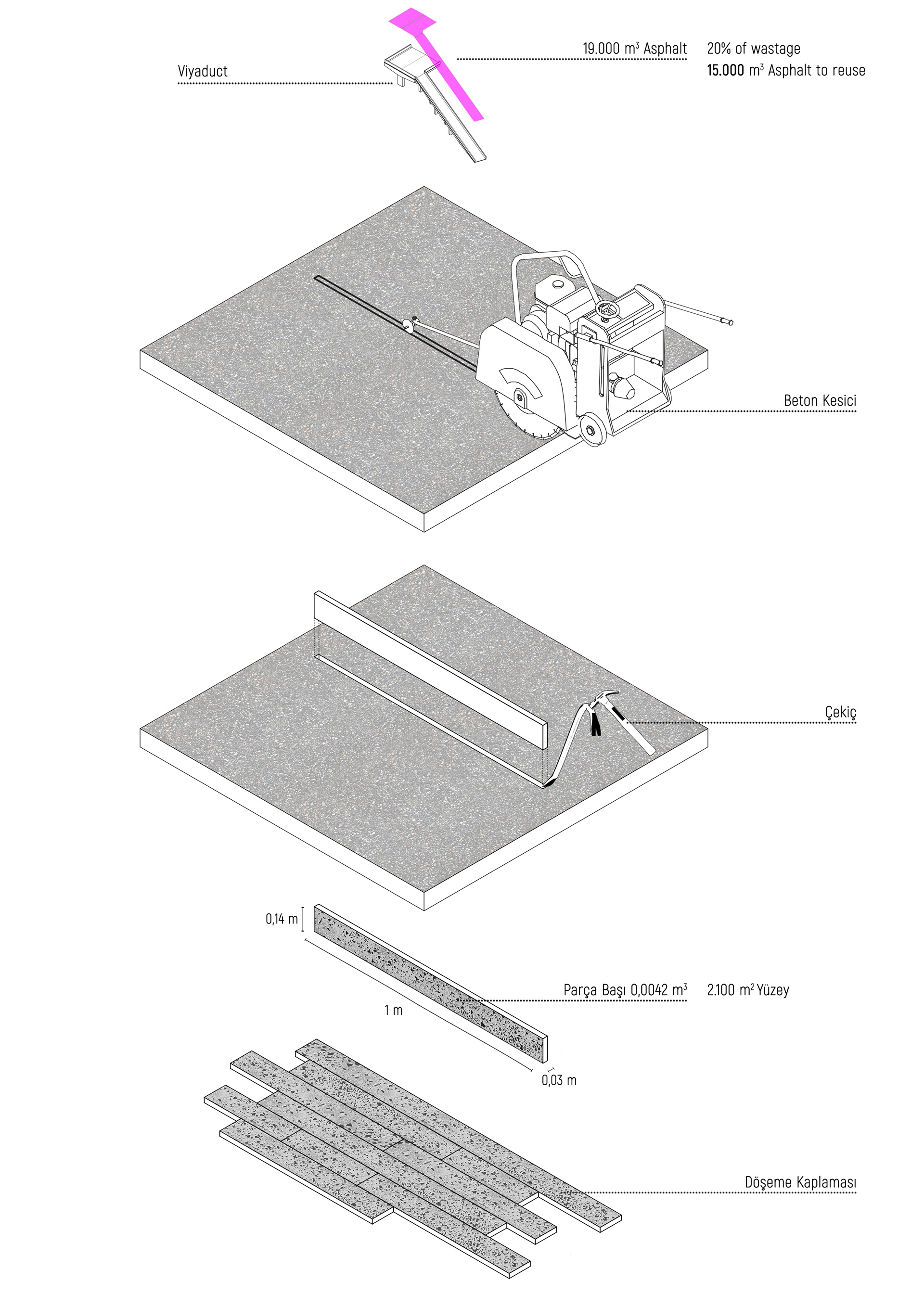
Demolition and Operation Strategy of the Existing Viaduct Structure
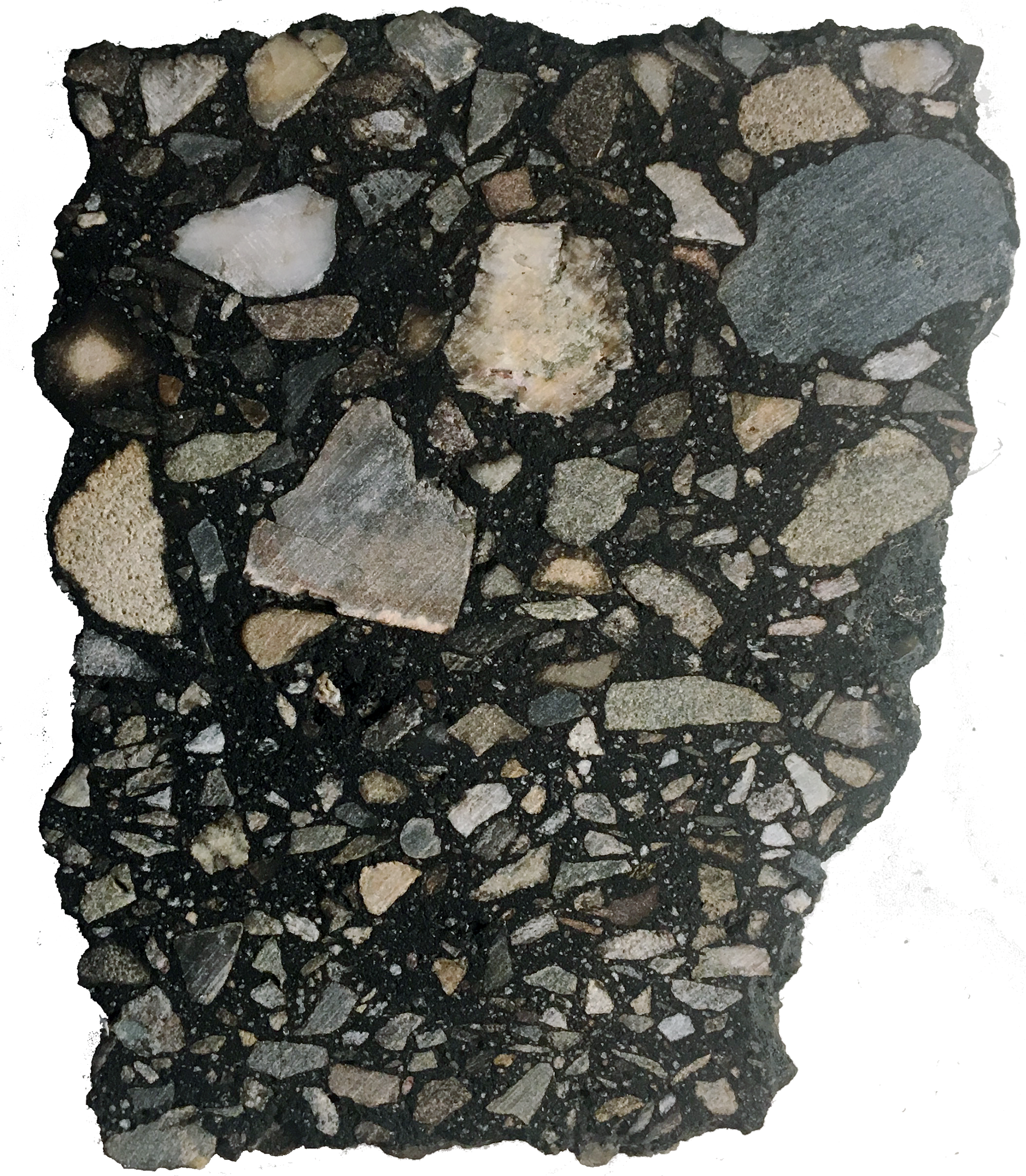
Flooring Made from Asphalt Material
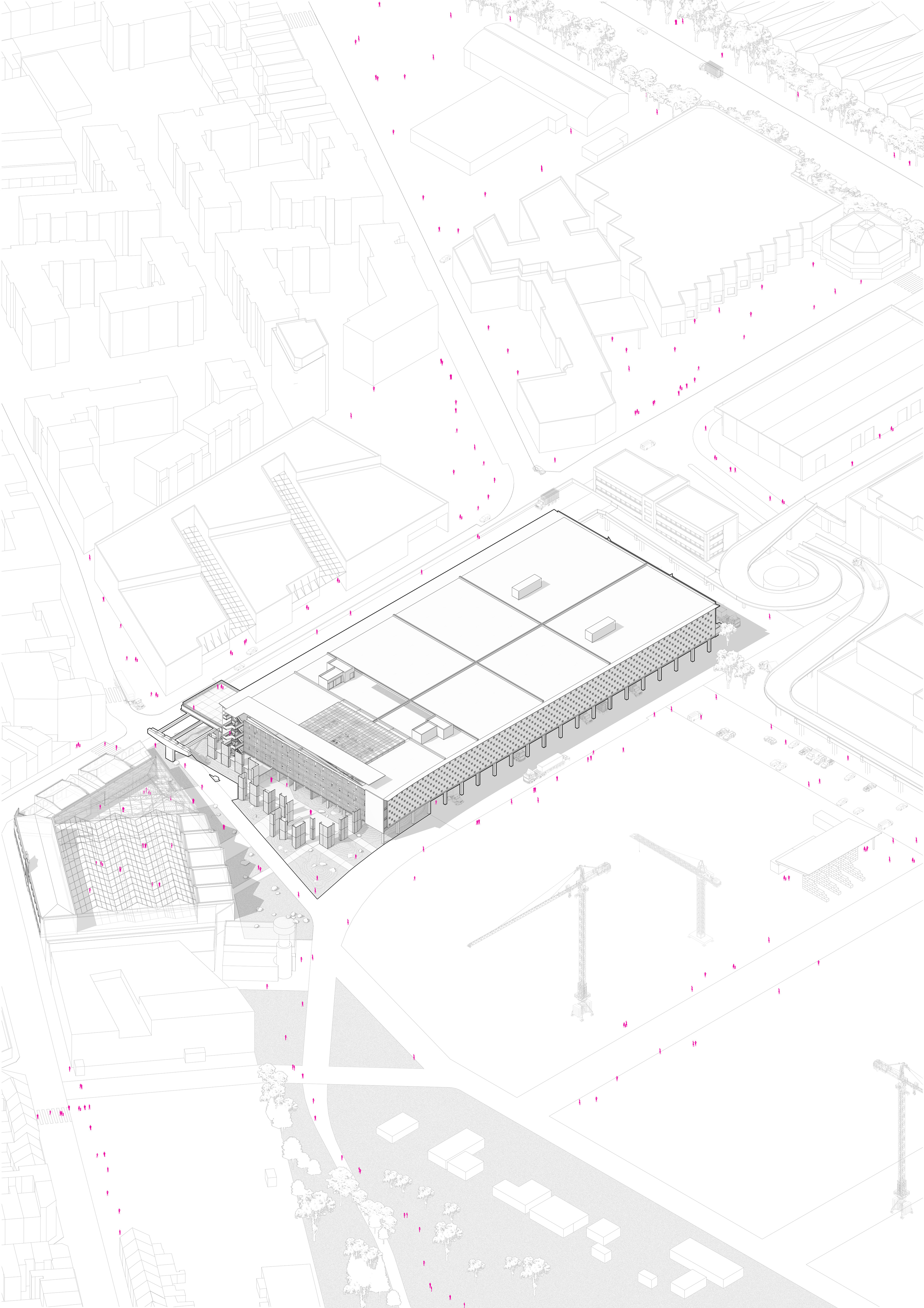

Model
The Source
The project is grounded in extensive research on demolition, reframing it as more than just the end of a building's lifecycle, but rather as an opportunity to create anew. This shift in perspective generated a fresh approach to viewing buildings, especially in the context of repurposing a 40,000m2 space originally designed for storage rather than human occupancy. The challenge of integrating disparate activities within one structure and ensuring its relevance for the long term prompted a deep dive into the building's potential. Frustration with traditional architectural approaches led to a breakthrough, adopting a "builder's perspective" that asked a crucial question: How can the building itself become a source of inspiration? This shift directed attention to the existing structure, identifying elements ripe for transformation into innovative spaces.